By July I've lost interest in anything aged. Janet Fletcher, who writes the weekly Planet Cheese newsletter out of Napa Valley, describes the same shift in plain terms: she lightens up. More salads, more rosé, fresher cheeses on the table. Mozzarella and burrata are the obvious ones. Stracciatella is the loose curd and cream sealed up inside burrata, and shops in Puglia sell it on its own, by the scoop, as a course in itself. It tastes like heavy cream that has just started to turn interesting, sweeter and milkier than the shell around it, and I don't do anything to it beyond torn tomatoes, good oil, and more salt than seems reasonable. Ricotta is the other one I buy on repeat, and the sheep's-milk version is worth hunting for: richer, faintly wooly, the benchmark in Italy. Fletcher makes hers at home with cow's milk and has published her husband's one-line review — "Too bad it's not sheep milk."
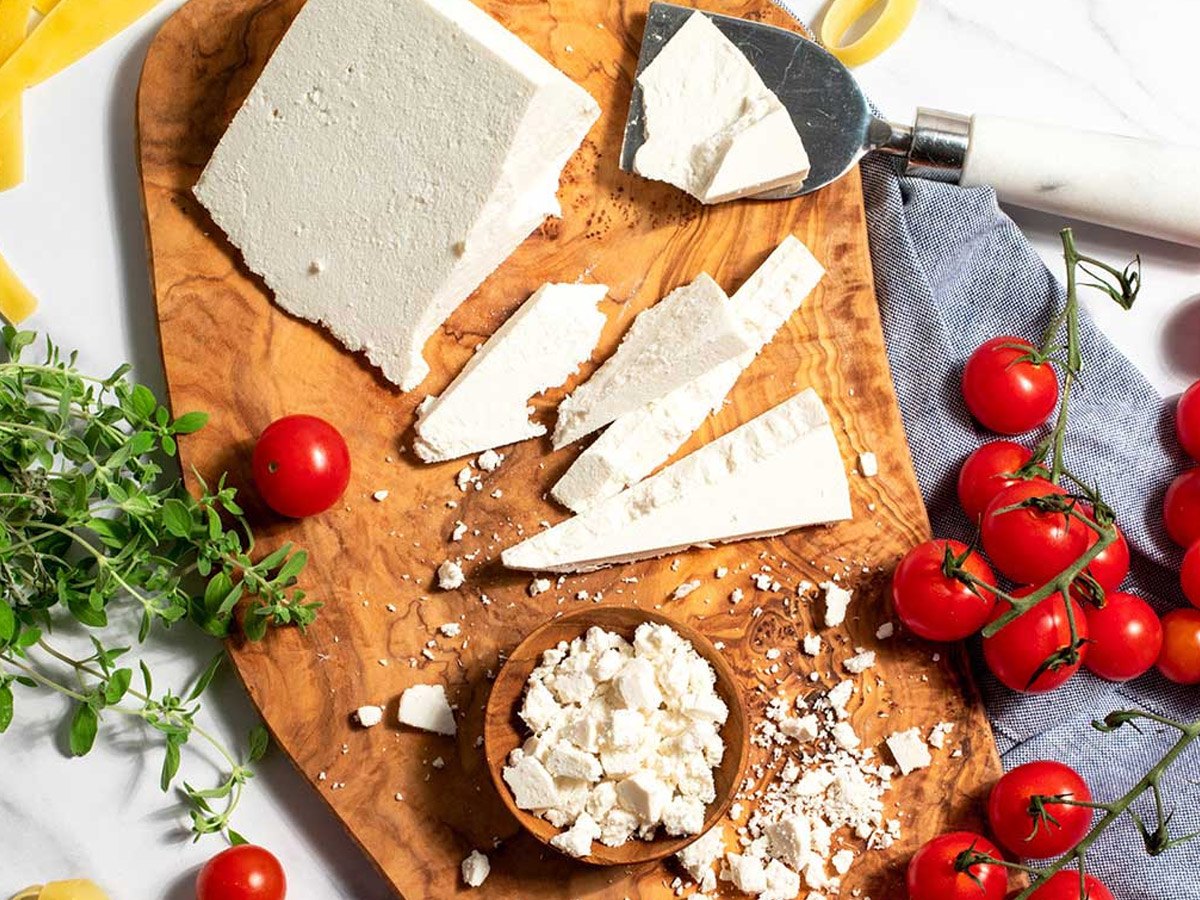
Ricotta salata is oddly overlooked. Oddly, because it's neither costly nor rare, and cooks have been shaving it over salads with fava beans, asparagus and beets for years. The name throws people; it has almost nothing in common with the soft ricotta in a tub, and I've watched plenty of shoppers who love one never try the other. Pressed and aged about three months, it's dry and firm enough to shave, and it's moister than pecorino romano, so it makes a pasta creamier instead of only saltier. It's the traditional finish on pasta alla Norma. In August I skip the pasta and shave it over watermelon.
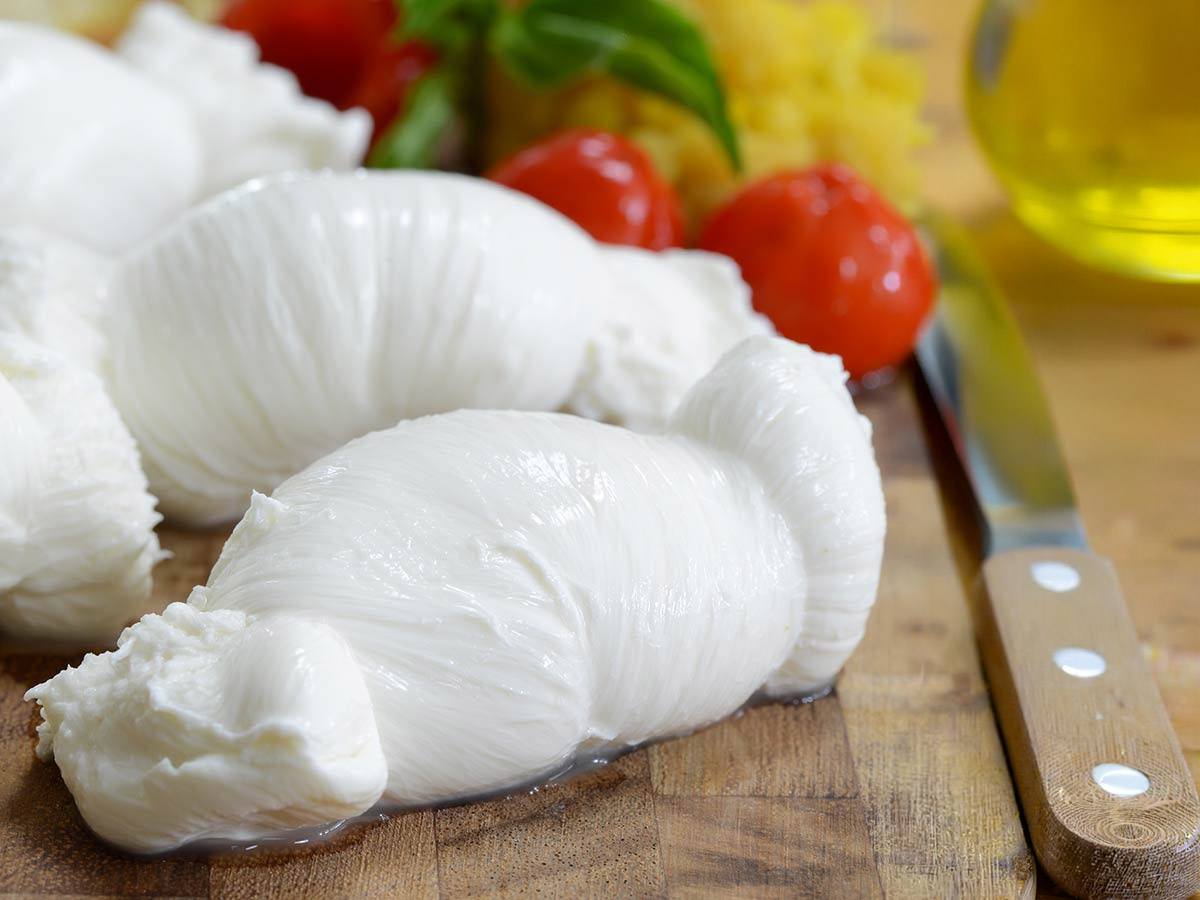
Buy mozzarella in a small format too. Nodini are the ones I look for — hand-tied knots, each about a bite, with folds and creases that take on a marinade the way a smooth ball won't. Mozzarella absorbs whatever you surround it with, so I drop them into good olive oil with garlic, dried oregano and capers and leave them a few hours. Add Aleppo pepper if you have it. Serve the nodini whole and they won't bleed whey into the oil the way a sliced ball would.
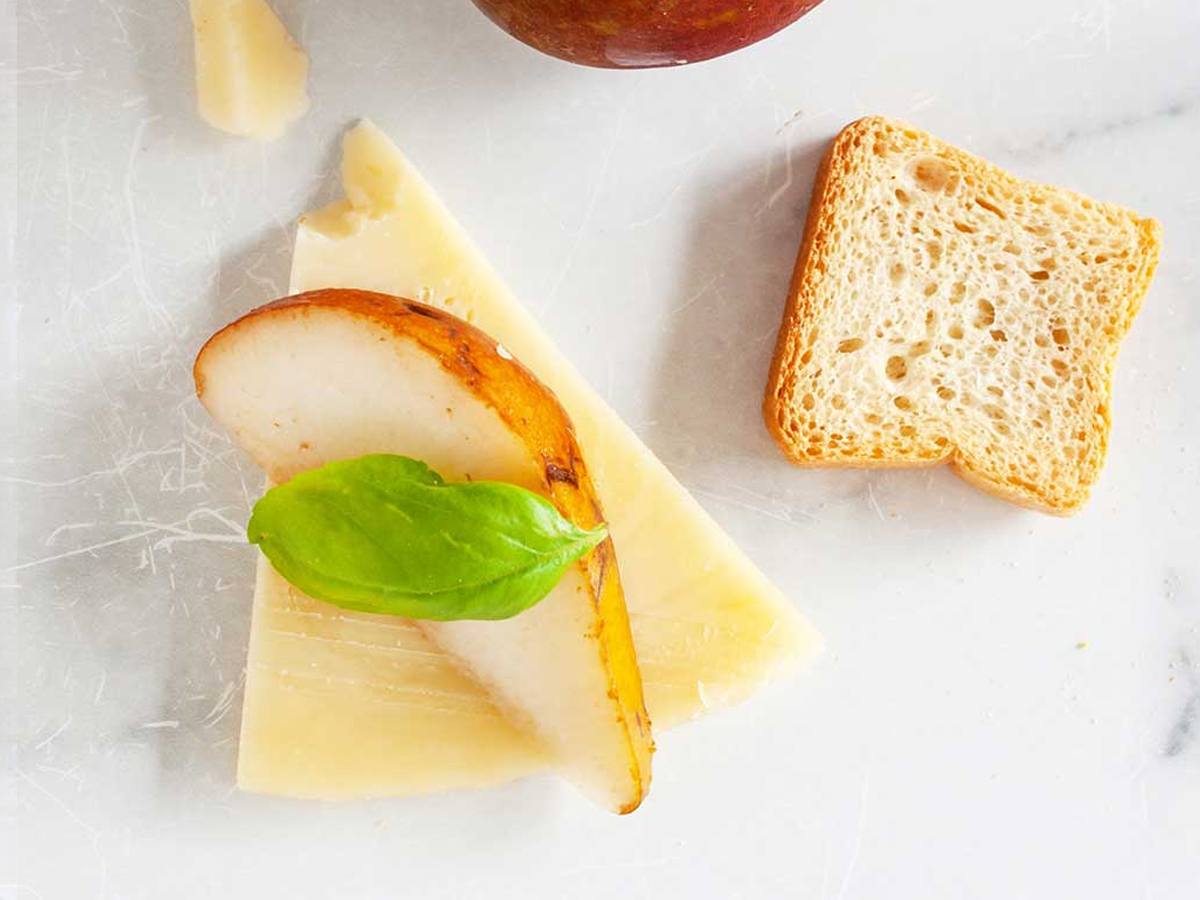
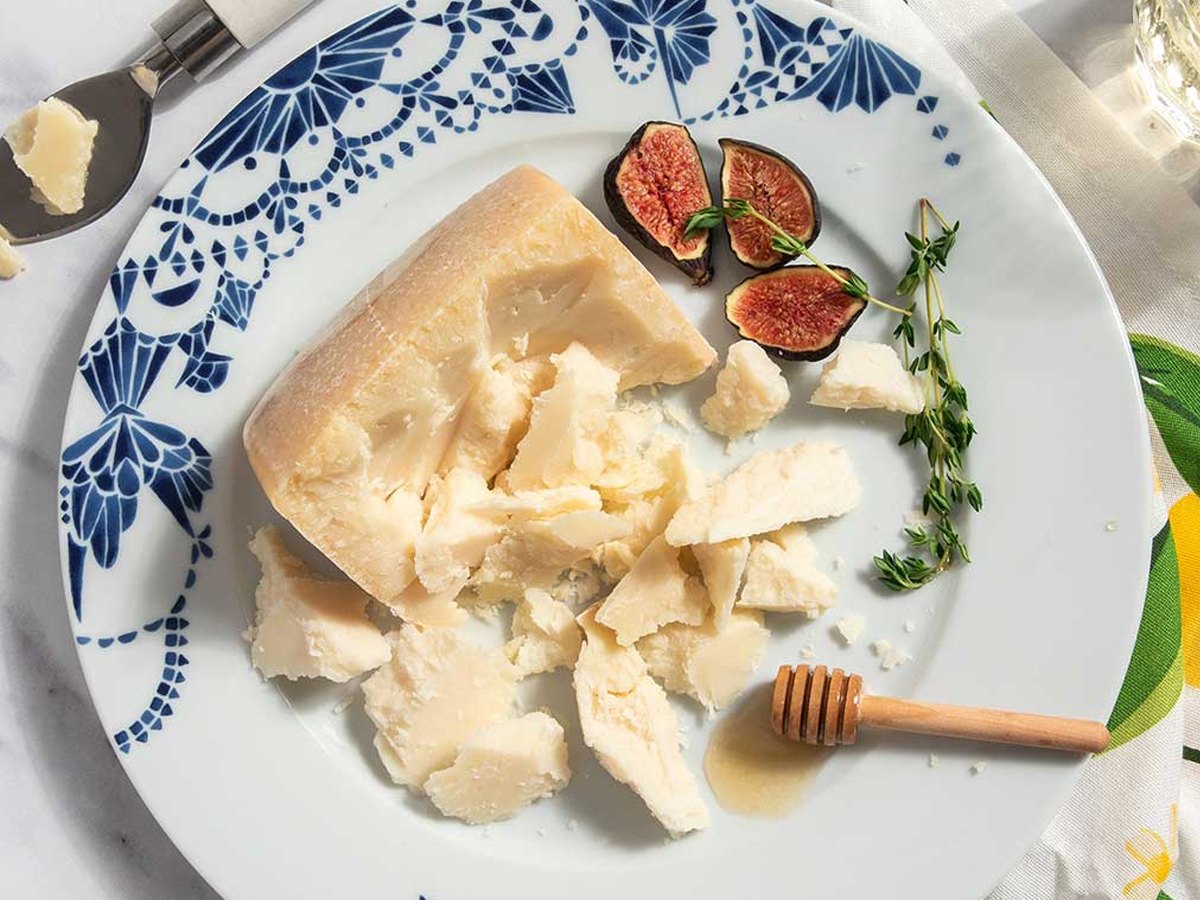
Sheep's milk is the other summer thread, and it runs in the opposite direction from all this softness. Pecorino Toscano Stagionato is aged at least four months and rubbed with olive oil, which is why the rind smells faintly of the oil before you've done anything to it. It's firm without the salt slap of Pecorino Romano, which is a grating cheese and should mostly stay one. Toscano I eat in pieces, with fava beans if it's early enough in the season, with a pear if it isn't. Bianco Sardo is the Sardinian one, aged at least six months and shaped in a wicker basket that ridges the rind, and it takes honey better than almost anything we carry.
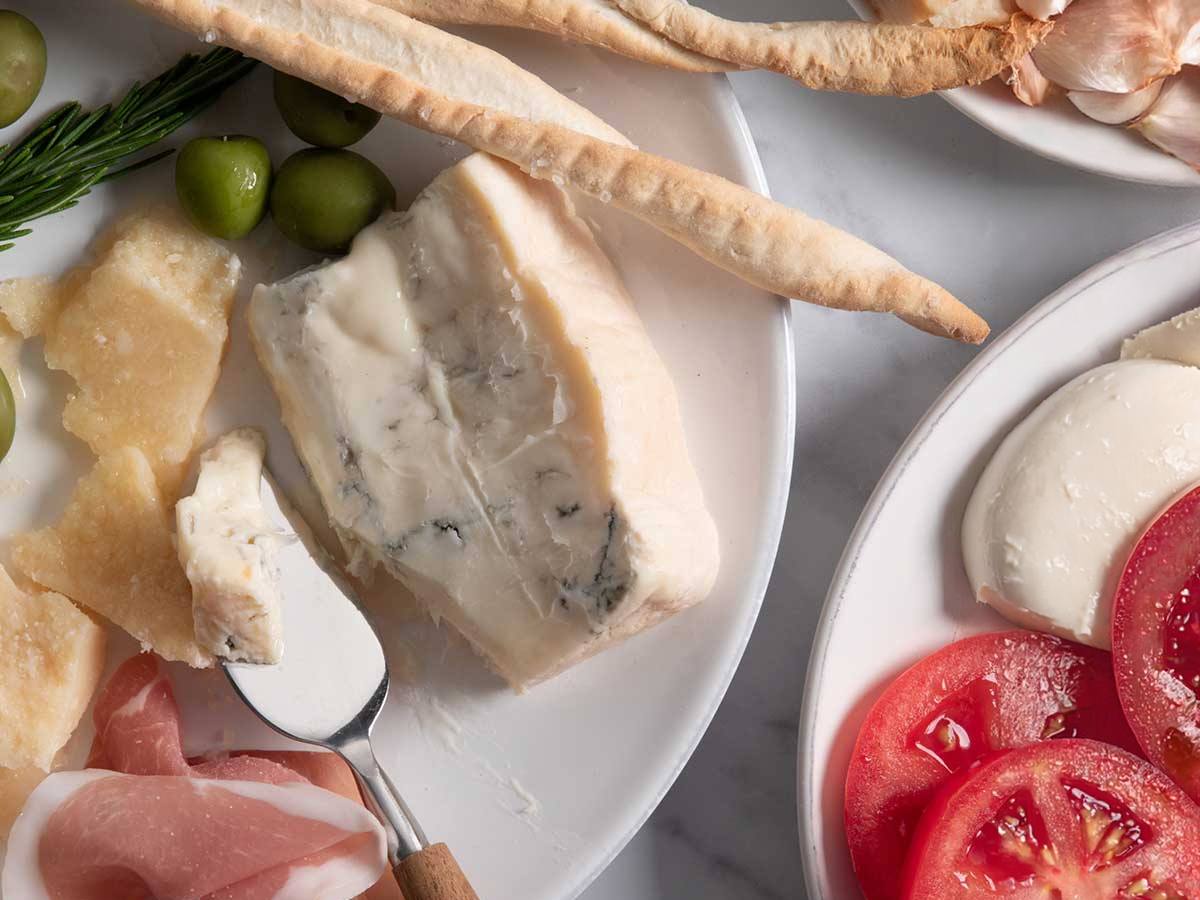
One blue belongs on a summer board, and it isn't a strong one. Gorgonzola Dolce is aged around two months against the several that Piccante gets, which leaves it soft, spreadable and honeyed rather than sharp — Fletcher has called it a starter blue and then admitted she often prefers it herself. So do I. It goes with stone fruit the way ricotta salata goes with melon. Buy the 8-ounce cut rather than the wheel; it's a cheese you eat in a week, not a cheese you keep.
Shop this list
Italian imports
Italian-style, made to order
Browse